When a teenage girl with autism steps into adulthood, the journey can feel like navigating a maze blindfolded. You’ve got to find the right turns, avoid the pitfalls, and maybe even spot a hidden exit sign. This article offers a clear, compassionate guide for parents, educators, and the girls themselves, showing how to turn the daunting “transition to adulthood” into a series of manageable steps. We’ll explore gender‑specific challenges, practical strategies, and the support systems that can turn the maze into a well‑lit path.
Understanding Autism in Girls
Gender Differences in Diagnosis
Autism in girls often flies under the radar. While boys are diagnosed at a ratio of roughly 4:1, many girls slip through the cracks because their symptoms can be subtler or masked by social mimicry. Instead of the classic “awkward silence,” a girl might display intense focus on a niche interest or have a highly developed theory of mind that she uses to blend in. As a result, diagnosis can be delayed, sometimes until college or adulthood, which complicates the transition.
Common Traits in Girls
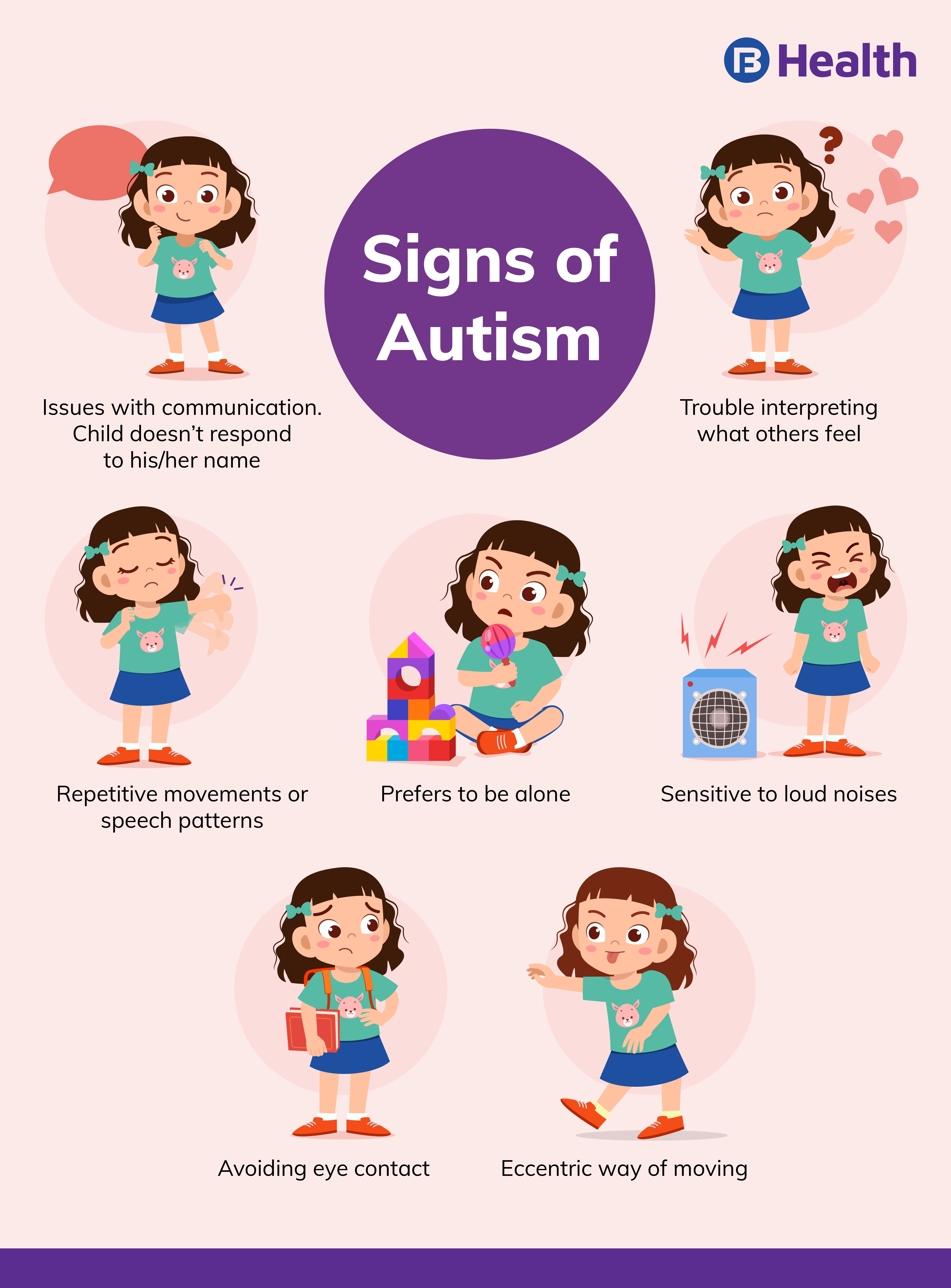
Research shows that girls with autism may:
- Emulate peers more effectively, making social cues appear normal on the surface. Experience higher anxiety around social evaluation, leading to internalized stress. Show stronger verbal skills but struggle with pragmatic language—understanding sarcasm or idioms can be a hurdle.
These nuances mean that support plans must be tailored, not one‑size‑fits‑all. Recognizing these traits early can smooth the road to adulthood.
The Transition to Adulthood: Challenges and Opportunities
Educational and Vocational Paths
The shift from school to the workforce is a pivotal moment. Many girls with autism thrive in structured environments—think coding bootcamps or lab work—where tasks are clear and feedback is immediate. However, they may face:

- Unstructured job interviews that feel like a wild card game. Workplace cultures that rely on unspoken social norms.
To counter this, employers can:
- Offer structured onboarding with written expectations. Provide peer mentorship that bridges the social gap.
Social Relationships and Independence
Building friendships and maintaining independence are two sides of the same coin. The transition period often involves:
- Moving out of the family home. Managing finances and daily routines.
Girls with autism may find the “adult world” overwhelming, akin to being handed a deck of cards without knowing the rules. Supportive strategies include:
- Skill‑building workshops on budgeting, cooking, and time management. Social clubs that focus on shared interests, reducing the pressure to perform socially.
Support Systems and Resources
Family and Peer Support
Family members can become the first line of advocacy. Simple actions—such as asking a girl what she enjoys, or how she feels about a new routine—can build trust. Peer support groups, both online and in person, provide a safe space to share experiences website and learn coping mechanisms.
Professional Services and Advocacy
- Occupational therapists help develop daily living skills. Speech‑language pathologists can fine‑tune pragmatic language use. Psychologists address anxiety and depression that often accompany the transition.
Advocacy groups, like the Autism Society, offer resources specifically geared toward girls and women, ensuring that the unique challenges of this demographic are addressed.
Practical Tips for Navigating the Transition
- Create a “transition toolkit”: a binder with job application templates, a budget spreadsheet, and a list of supportive contacts. Practice mock interviews: role‑play scenarios with a friend or mentor to build confidence. Schedule “check‑in” times: weekly or monthly meetings with a counselor to review progress and adjust goals. Leverage technology: use reminder apps for appointments, grocery lists, or medication schedules. Set small, achievable goals: finishing a course, cooking a meal, or attending a social event—celebrate each win.
These steps turn the daunting transition into a series of small, conquerable quests—think of it as leveling up in a video game, but with real‑world rewards.
A Personal Perspective
I once met Maya, a 22‑year‑old with autism who had just moved into her first apartment. She told me, “I feel like I’m on a tightrope, but I’m also excited to see where the wind takes me.” Maya’s story illustrates that the transition can be both scary and exhilarating. She found a supportive roommate who respected her sensory needs and helped her navigate the world of laundry and bills. Maya’s success Epigenetic changes underscores the power of community and self‑advocacy.
> “The greatest gift you can give yourself is the confidence to walk into the unknown,” Maya said, and that quote rings true for anyone stepping into adulthood.
Looking Forward: Empowering Future Generations
The journey from adolescence to adulthood for girls with autism is not a linear path but a series of branching roads. By recognizing the unique challenges, building robust support systems, and equipping individuals with practical tools, we can transform the maze into a well‑lit trail. Each step forward not only empowers the individual but also reshapes society’s understanding of autism, paving the way for future generations to thrive.
If you’re a parent, educator, or friend, consider reaching out to local autism advocacy groups today. Share this guide, start a conversation, and help create a world where every girl with autism can confidently step into adulthood—no blindfold needed.